In 2026, businesses need to be aware of the growing risk of compliance communication failures. In the modern era, businesses are becoming more regulated and operationally complicated, which means that there is a need for clear, accurate, and traceable communication. Organizations always need to take steps to ensure that they meet their legal responsibilities, yet many struggle when it comes to outdated systems and fragmented processes that can lead to communication failures. In turn, this can lead to significant financial and legal consequences. Keep reading to discover why compliance communication failures are a growing risk and what businesses can do to address this.
The Complexity Of Compliance Communication
First, it is helpful to understand the complexity of compliance communication in 2026. Businesses often now operate across different channels, jurisdictions, and regulatory frameworks, which can make compliance communication a challenging and high-stakes process. Organizations must be able to demonstrate that communication was sent, received, and recorded. Additionally, many are dealing with higher volumes of communication than before, which increases the risk of errors, delays, and missed notifications.
The Consequences Of Communication Failures
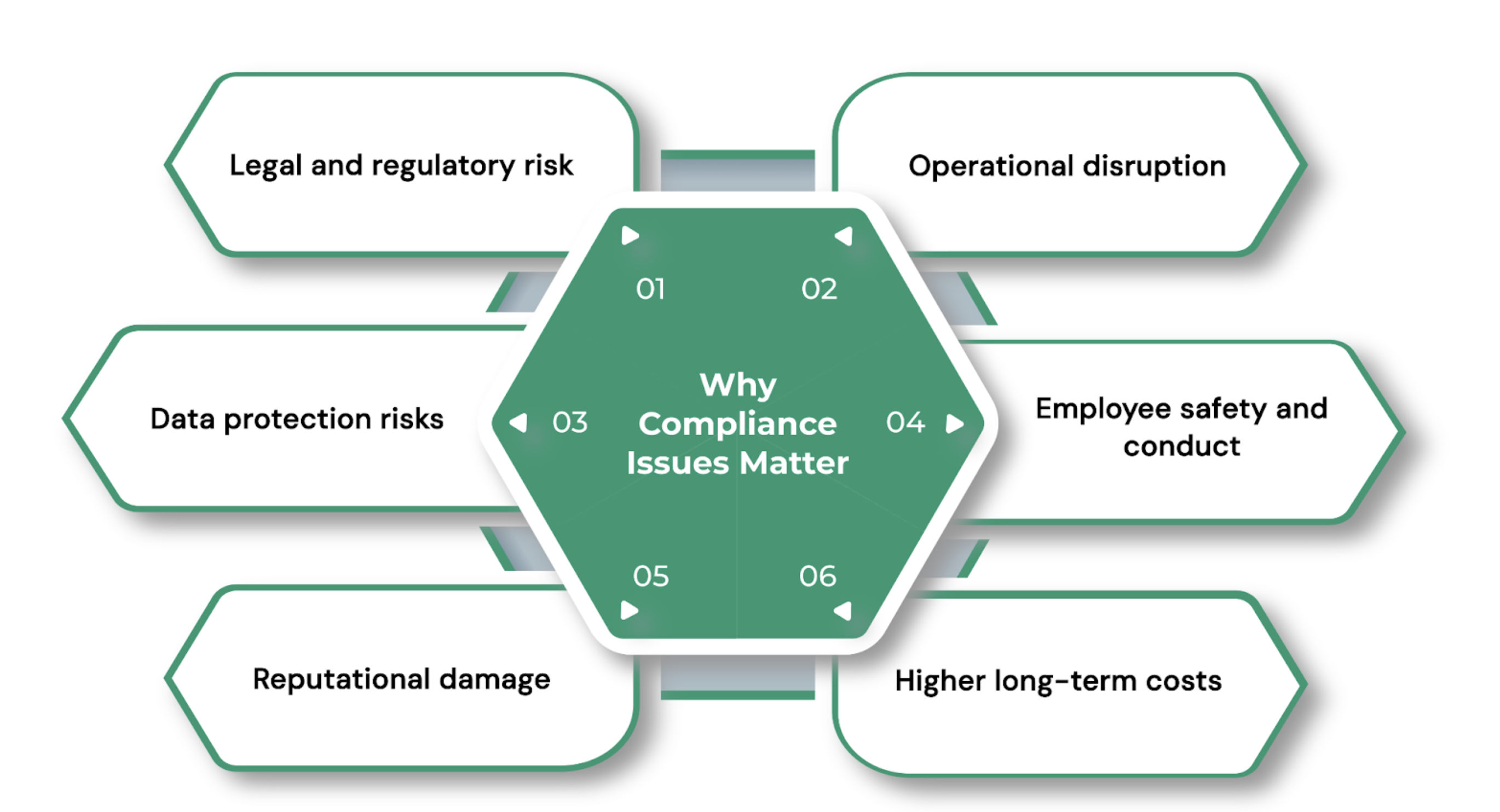
The consequences of communication failures can be severe and wide-ranging. First, missed or delayed notifications can lead to operational inefficiencies and disputes, but in highly regulated sectors, there are greater risks than these. Failure to deliver mandatory communications can lead to regulatory penalties, legal action, and even loss of licensing. On top of all this, reputational damage from non-compliance can be costly in more ways than one and hard to recover from.
The Causes Of Compliance Communication Issues
There are a few common causes of compliance communication issues. Fragmented tools and inconsistent processes are the most common causes, which can include issues like some teams relying on email while others prefer manual postal services, leading to inconsistent tracking and documentation. A lack of a centralized system can also increase the risk of duplication or omission when communication responsibilities are spread across departments. Human error is another leading issue with manual processes, introducing the risk of mistakes, particularly in high-volume environments and repetitive tasks.
Improving Reliability Through Improved Systems
The risk of communication failures is clear, so what can be done to avoid this risk? Investing in more structured communication frameworks is a smart first step. Centralized systems can track communications history, automate workflows, and enforce standardized processes to reduce the risk of errors and non-compliance. Automation can also play an important role, with tools and software being used to ensure that routine compliance notifications are delivered consistently and on time.
The Role Of Verified Delivery
Another crucial aspect of compliance communication that should not be overlooked is proof of delivery. Organizations need to be able to clearly demonstrate that important documents have been sent and also received by the intended recipient. Certified delivery services can provide an extra layer of accountability for any high-stakes communications, generating verifiable records that can be used for audits, disputes, and regulatory checks. Send Certified Mail for compliance notifications can help businesses improve communication processes by making sure that critical communications are delivered with traceable communication. This reduces ambiguity and improves confidence in compliance.
Building Resilient Communication Frameworks
Creating more resilient communication frameworks is essential for compliance and improving communications. By combining process improvement, tech adoption, and cultural change, organizations can reduce compliance communication failures and move away from outdated, fragmented systems that increase risk. Standardizing procedures, investing in centralized platforms, and making sure that all critical communications can be tracked and verified end-to-end are essential in the modern era.
In 2026, compliance communication failures are a growing risk that every business needs to be aware of. In today’s highly regulated environment, there are increasing expectations around transparency, accountability, and traceability. Businesses that fail to modernize their operations and improve communication systems put themselves at legal, financial, operational, and reputational risks. Hopefully, the information in this post will be useful and help organizations to understand the growing risk of compliance communication failures and how they can be addressed. By investing in structured processes and reliable delivery mechanisms, it is possible for businesses to significantly reduce risks, build more resilient operations, and feel confident in compliance communication.
 AI tools to find & convert leads.