LIMITED SPOTS
All plans are 30% OFF for the first month! with the code WELCOME303
LIMITED SPOTS
All plans are 30% OFF for the first month! with the code WELCOME303

LIMITED SPOTS
All plans are 30% OFF for the first month! with the code WELCOME303
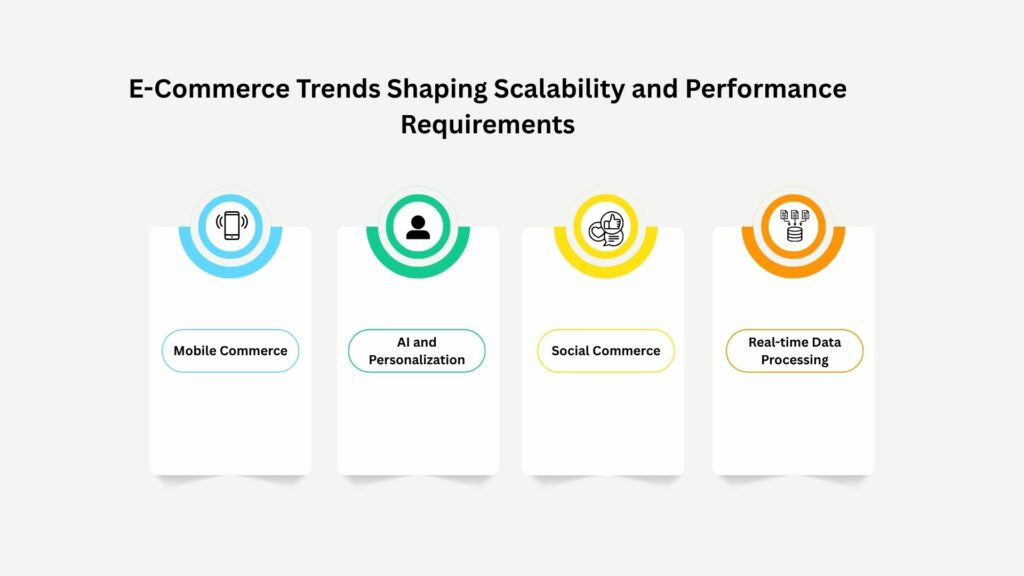
Growing an online store is rarely a straight line. Traffic arrives in waves, campaigns spike demand, and the same infrastructure that wins a customer can quietly lose one. Two areas decide whether that growth compounds or leaks: how well you capture leads, and how reliably your store performs under load.
Most stores bolt on a newsletter form and call it lead generation. The stores that scale treat capture as a connected system: exit-intent offers, abandoned-cart flows, gated buying guides, and post-purchase upsell prompts that all feed one source of truth. The goal is not more forms, it is fewer dead ends. Every visitor who is not ready to buy today should have an obvious, low-friction way to stay in your orbit.
Capturing an email is step one. The value comes from knowing why that person showed up. Tag leads by entry point, product interest, and intent signal from the first interaction. Early segmentation lets you send a first-time visitor a different message than a repeat browser, without rebuilding your flows every quarter.

Here is the part teams underestimate: the best capture strategy fails if the page is slow. A checkout that stalls during a flash sale or a product page that takes five seconds to render erases the work your marketing did upstream. As order volume climbs, the platform underneath has to keep pace, which is why high-traffic Magento stores lean on dedicated Magento web hosting tuned for catalog size, concurrent sessions, and predictable peak-day throughput.
Growth gets durable when capture, segmentation, and performance feed each other. Watch where leads drop, where pages slow, and where revenue per session falls, then fix the weakest link first. Stores that run this loop monthly tend to outgrow the ones chasing one-off tactics.
Scaling is not about doing more. It is about making sure every visitor you paid to attract has a fast path to convert and an easy reason to come back.
 AI tools to find & convert leads.
  Send emails at scale