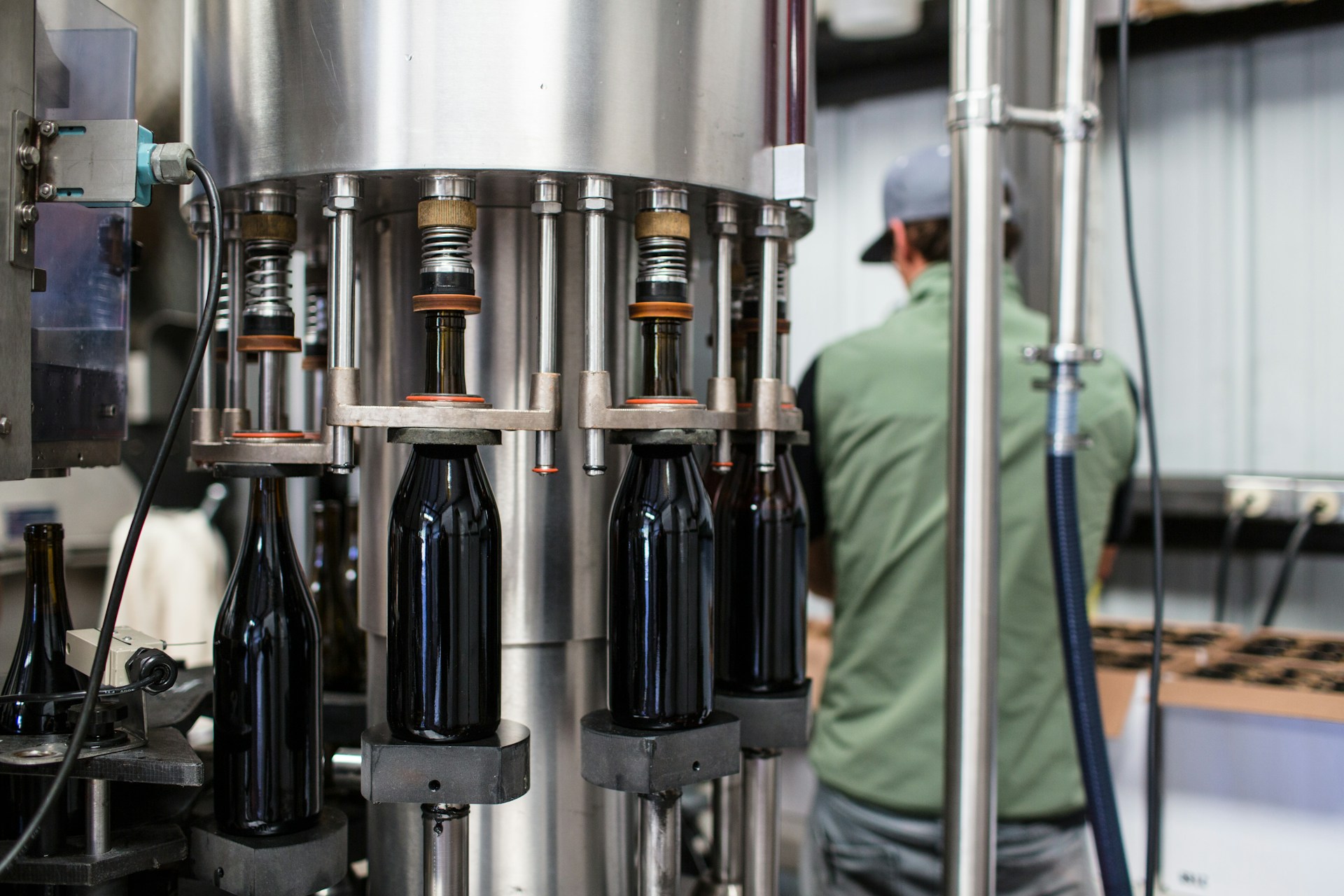
For startups entering the beverage or liquid packaging industry, efficiency and cost management are critical to long-term success. Limited resources, small teams, and growing demand often create operational challenges that can slow down production and increase expenses.
Manual processes may seem cost-effective initially, but they often lead to inconsistencies, higher labor costs, and inefficiencies that can impact product quality and delivery timelines. As startups scale, these challenges become even more difficult to manage. This is where water filling machines play a key role. They offer a practical solution by streamlining production, improving accuracy, and reducing operational costs.
This article explores how water filling machines can help startups improve efficiency and reduce costs.
Efficiency is essential for startups trying to meet increasing demand. Water filling machines are designed to handle high production volumes with speed and precision.
Many modern systems can produce thousands of bottles per hour, depending on the machine type and configuration. For example, startups evaluating options from a water filling machine manufacturer may find systems capable of producing anywhere from 2,000 to 36,000 bottles per hour, depending on their production scale and requirements.
Companies like Sunswell offer a wide range of filling machines designed for various liquids and container types, including PET and glass bottles and aluminum cans. These systems are often built to support different production capacities, helping startups choose equipment that aligns with their current needs while allowing room for future growth.
One of the most immediate benefits of using water filling machines is reduced manual labor. Instead of relying on multiple workers to handle filling, sealing, and packaging, automated systems can perform these tasks with minimal human intervention.
This not only lowers labor costs but also reduces the chances of human error. Startups can operate with smaller teams while maintaining consistent production levels, allowing employees to focus on more strategic tasks such as quality control or business development.
In addition, reducing dependence on manual processes can help improve workplace efficiency and safety. With fewer repetitive tasks handled by staff, the risk of fatigue-related errors decreases, and overall workflow becomes more streamlined, enabling startups to maintain productivity even during periods of increased demand.

Maintaining consistent product quality is essential for building customer trust. Manual filling processes can lead to volume variations, contamination risks, and inconsistent packaging.
Automated water filling machines use precision control systems to ensure accurate filling levels for every bottle. Many systems also include hygienic design features, such as stainless-steel construction and clean-in-place (CIP) systems, which help maintain sanitation standards.
This consistency not only improves product quality but also helps startups comply with industry regulations and safety standards.
Time is a valuable resource for startups. Automating repetitive tasks such as filling, sealing, and labeling significantly reduces production time.
Instead of managing multiple manual steps, startups can rely on integrated systems that handle the entire process efficiently. Some advanced systems even combine bottle blowing, filling, and capping into a single unit, reducing production steps and saving both time and space.
This streamlined workflow allows businesses to focus on scaling operations rather than managing day-to-day production challenges.
Product waste can be costly, especially for startups operating on tight budgets. Inaccurate filling, spillage, and inefficient processes can lead to unnecessary losses.
Water filling machines are designed to minimize waste through precise volume control and optimized filling systems. This ensures that each bottle contains the correct amount of liquid, reducing overfilling and product loss.
Additionally, many machines are built with energy-saving features that reduce electricity and water consumption, helping startups manage operational costs more effectively.
As startups grow, their production needs increase. Investing in scalable equipment allows businesses to expand without completely overhauling their operations.
Water filling machines are available in various configurations, from semi-automatic systems for small-scale production to fully automated lines for large-scale manufacturing. This flexibility allows startups to upgrade their systems as demand grows.
The ability to handle different bottle sizes and liquid types also makes these machines adaptable to changing product lines and market demands.
By combining efficiency, accuracy, and automation, water filling machines significantly improve overall productivity. Startups can produce more in less time while maintaining high-quality standards.
Automation also improves coordination between different stages of production, from filling and capping to labeling and packaging. This integrated approach reduces bottlenecks and ensures smoother workflows across the entire production line.
As a result, startups can operate more effectively, meet customer demand, and build a stronger foundation for long-term growth.
Water filling machines offer startups a powerful way to improve efficiency, reduce costs, and maintain consistent product quality. By automating key processes, businesses can streamline operations, minimize waste, and scale production more effectively. For startups looking to compete in the beverage and liquid packaging industry, investing in the right equipment can make a significant difference.
 AI tools to find & convert leads.
  Send emails at scale